
Corporate Team Headshots
Corporate Team Headshots: From Planning to Photo Day
Introduction
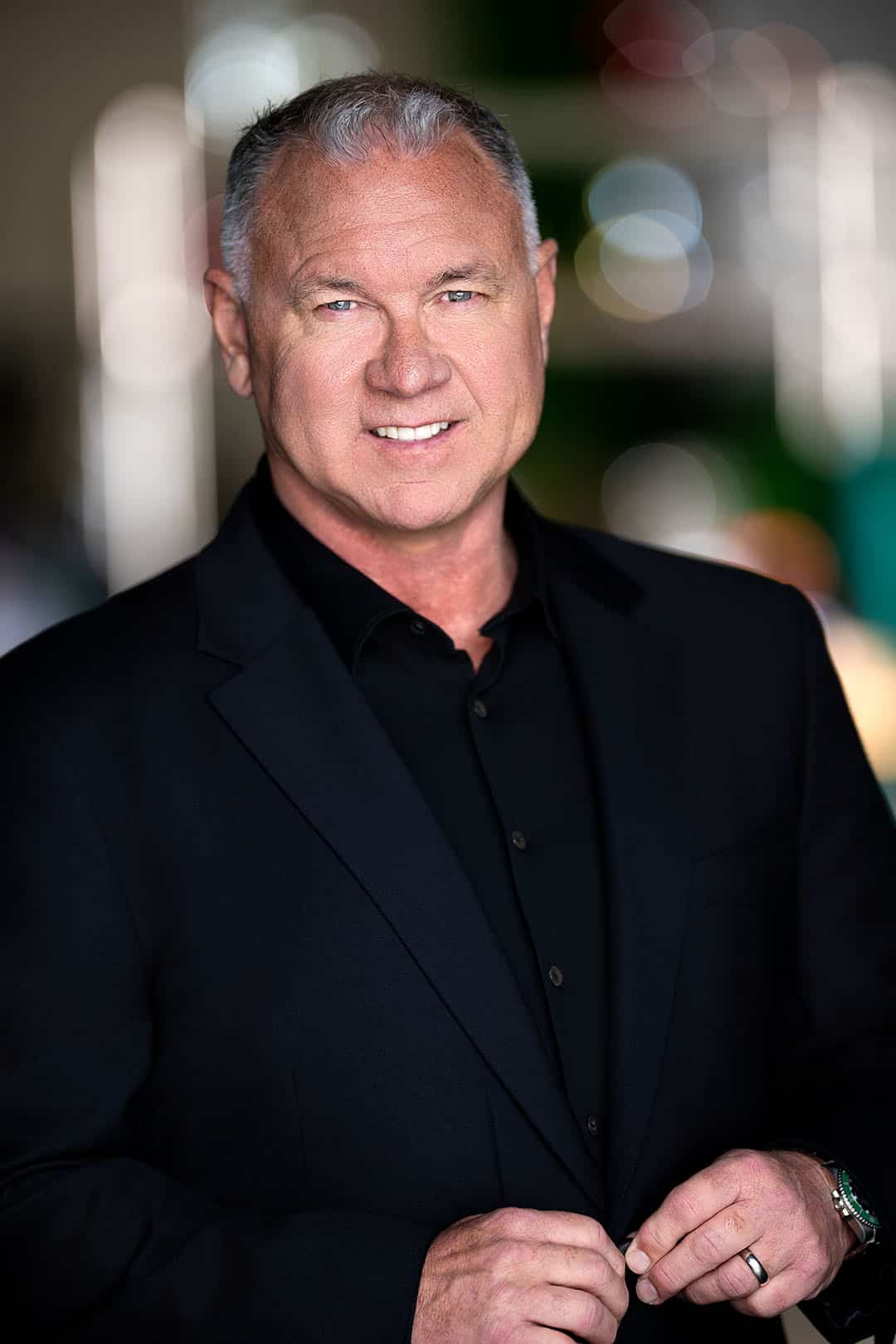
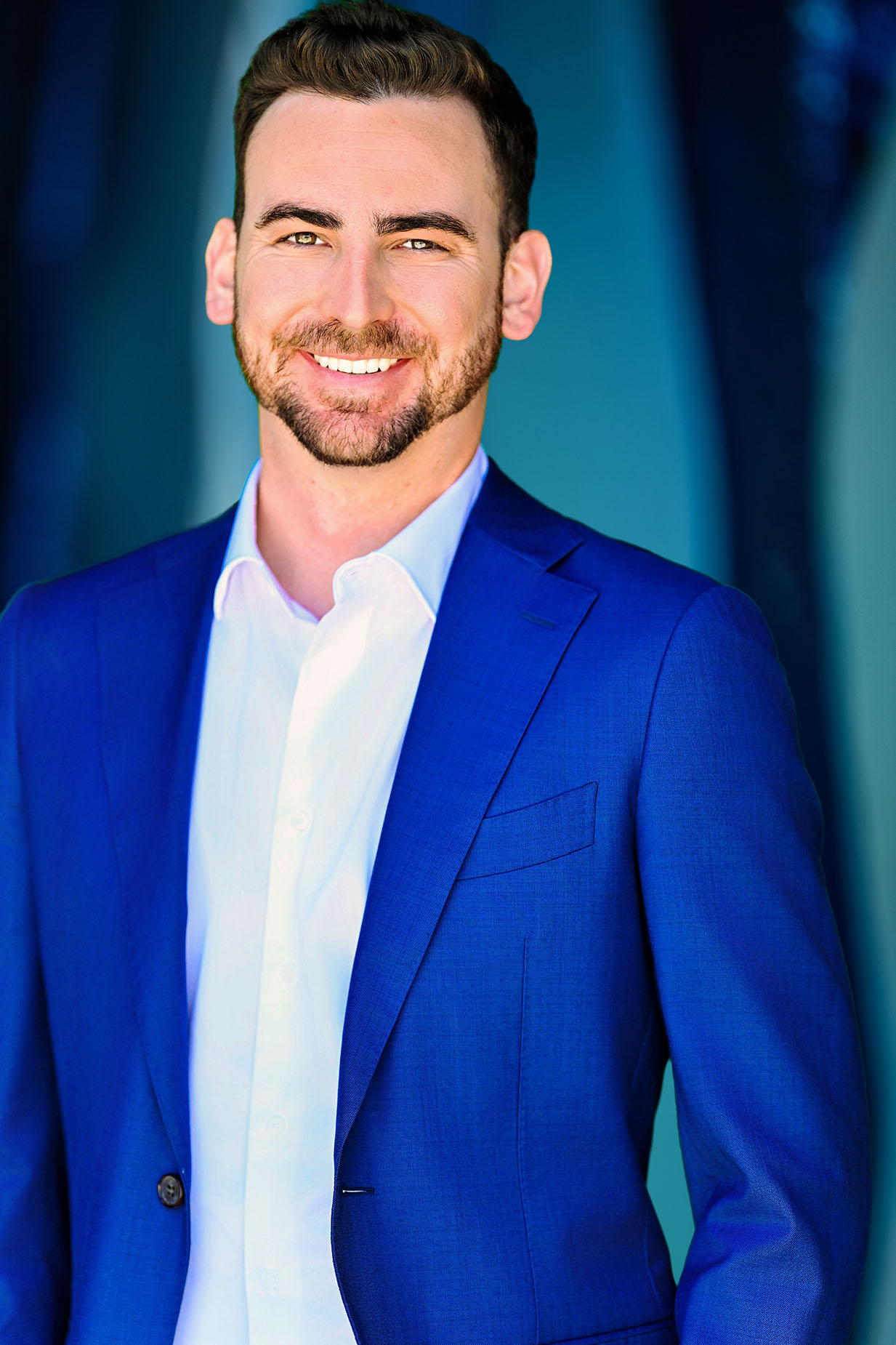
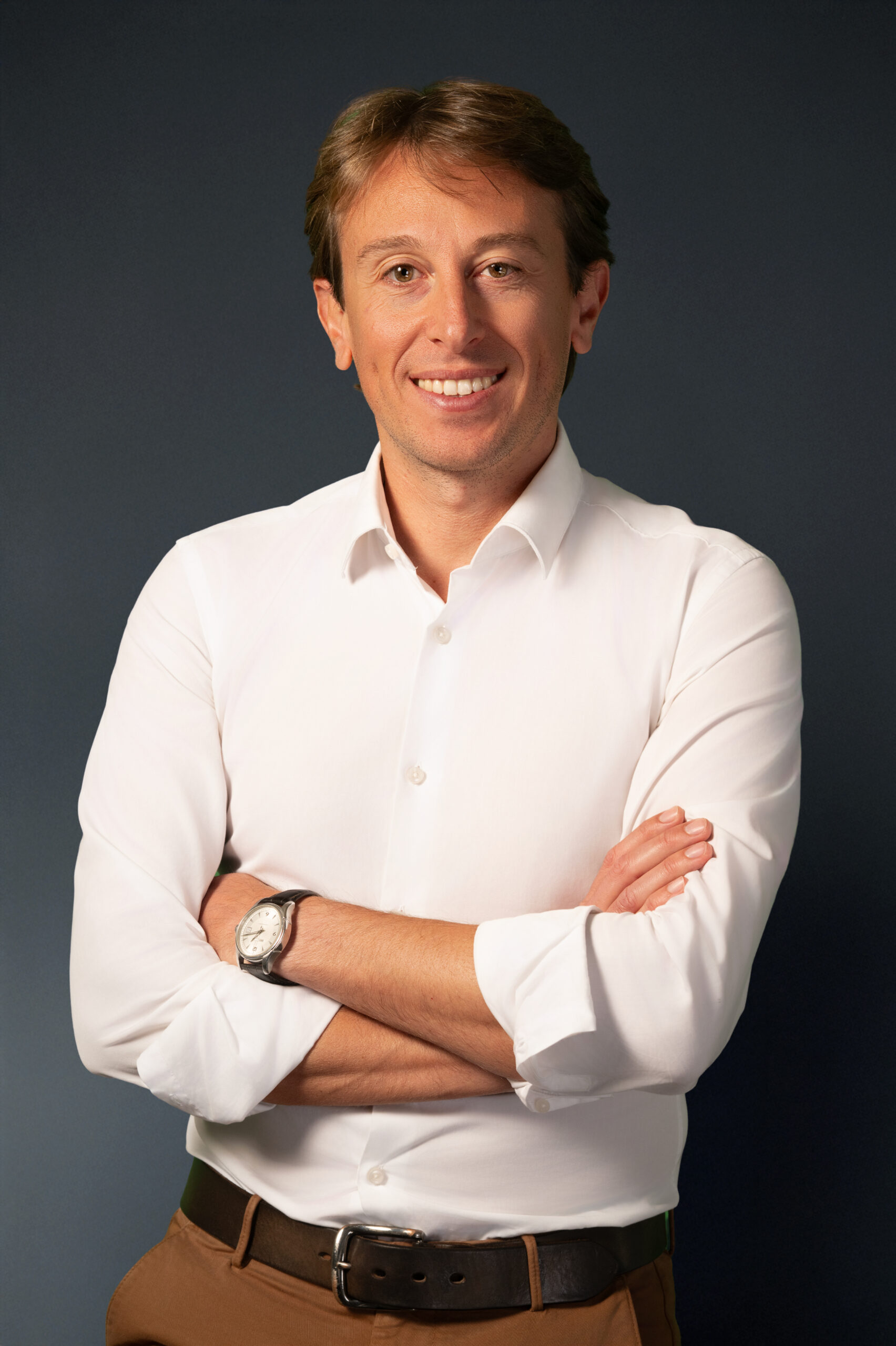
Photographing an entire company isn't quite the same as photographing one person. You've got different personalities, schedules, wardrobe choices, and usually at least a few people who would rather be doing almost anything else.
Over the years, I've learned that the photography itself is only part of what makes a successful team headshot session. The planning matters just as much.
How many people need to be photographed? Should everyone come to the studio, or does it make more sense to set up at your office? Do you want the backgrounds to match your company's branding? And what happens when you hire five more people six months later?
Those are the kinds of questions worth answering before anyone steps in front of the camera.
In this guide, I'll walk through how I approach corporate team photography, from planning the look and organizing the schedule to directing each person and delivering photographs your company can use for years.
If you're looking to arrange a session, you can also visit my South Bay corporate team headshots page for studio and on-location options.
Part 1: Planning Your Corporate Team Headshots
Defining the Look for Your Team
Before we photograph anyone, we need to figure out what you want your team to look like. Not just individually, but as a company.
A law firm probably doesn't want the same look as a creative agency. A financial services company may want something a little more traditional, while a tech company might prefer a relaxed, contemporary approach. But there aren't any hard rules. Your photographs should reflect your company's personality, not just the industry you're in.
I'll usually start by looking at your website and existing marketing materials. We'll talk about backgrounds, lighting, wardrobe, and how formal or relaxed you want the photographs to feel. If you have examples of headshots you like, send them over. Even examples of what you don't like can be helpful.
A few things worth considering:
- Do you want a traditional corporate look or something more approachable?
- Should everyone have the same background, or would some variety work better?
- Are there company colors or existing photographs we should match?
- Where will the photographs be used: your website, LinkedIn, proposals, or advertising?
You don't need to have all the answers before contacting me. That's part of what we'll work out together. The goal is to establish a look that works for your company and can be reproduced when new employees join the team.
Scheduling and Logistics
Once we've established the look, the next question is how to photograph everyone without turning the workday upside down.
For smaller teams, bringing everyone to my Torrance studio can be the simplest option. We have plenty of space, complete control over the lighting, and the flexibility to photograph people together or schedule individual appointments.
For larger teams, coming to your office often makes more sense. We'll discuss the space available, how many people need photographs, and how to organize the schedule so employees aren't standing around waiting for their turn.
Here are the main things we'll want to establish:
- How many people need individual headshots?
- Will everyone be available on the same day?
- Do you also need group photographs?
- Are we photographing at your office or in my studio?
- When do you need the finished photographs?
We'll also discuss the budget and what makes the most sense for your team. Photographing 30 people in one organized session is quite different from scheduling three people on separate days, so the pricing and approach will reflect that.
One thing I've learned over the years is that a little organization ahead of time makes a tremendous difference on shoot day. If employees know when they're being photographed and what to expect, everything moves more smoothly.
Preparing Your Team
Here's something that rarely changes, regardless of the company: at least a few people will tell me they hate having their picture taken.
That's fine. They don't need to know how to pose, where to put their hands, or what expression works best. That's my job. I use conversation, movement, and small adjustments to help people relax and find expressions that feel natural.
What does help is giving everyone a little guidance before the session.
- Wardrobe: Let employees know how formal or casual the photographs should feel. Share my headshot wardrobe guide for additional suggestions.
- Scheduling: Give each person a specific appointment time and ask them to arrive ready to be photographed.
- Grooming: Encourage employees to allow time for their usual hair, makeup, or grooming routine before their session.
- Clothing options: If the schedule allows, having a second jacket, shirt, or top available can give us some flexibility.
- Expectations: Remind everyone that they don't have to arrive knowing what to do in front of the camera.
For larger teams, individual sessions may take only five to ten minutes, depending on the number of people and the photographs needed. Smaller teams generally allow more time for different expressions, wardrobe changes, and additional looks.
If anyone is particularly nervous, you can also share my article on how to relax for a headshot session.
And if you're organizing the shoot for your company, remember that you don't have to manage every detail yourself. My job is to help make the process straightforward, keep the day moving, and make sure everyone gets the attention they need.
Part 2: Studio vs. On-Site Team Headshots
The Studio Advantage
My Torrance studio gives us something that's particularly valuable when photographing an entire team: control. We can keep the lighting, backgrounds, and overall look consistent, whether we're photographing five people or fifty.
With 4,500 square feet to work with, there's room for people to arrive, get comfortable, and spend a little time together without everyone crowding around the camera. We can play music, make wardrobe adjustments, and keep the atmosphere relaxed. There's also Wi-Fi for anyone who needs to get a little work done between photographs.
We can photograph against traditional studio backgrounds or use greenscreen headshots to match your company's branding or existing portraits. That flexibility is particularly useful when you need to add employees later or update your website's appearance.
Studio sessions are often a good choice for:
- Smaller teams that can come in together
- Companies that prefer individual appointments
- Businesses without suitable photography space at their office
- Organizations that want a consistent background across their entire team
- Companies that need to add new employees to their photo library over time
The On-Site Approach


For larger teams, bringing the photography setup to your office can make everyone's life a little easier. Instead of coordinating travel to my studio, employees can step away from their desks for a short session and get back to work.
We can bring lighting and backgrounds to create a consistent studio look, or we can incorporate your actual workplace into the photographs. That might mean using an interesting architectural feature, a conference room, or a space that reflects your company's personality.
My background in commercial lifestyle advertising photography also comes into play here. If you want more than individual headshots, we can photograph employees interacting, collaborating, or working in their environment. Those images can be especially useful for websites, recruiting materials, and company branding.
On-location sessions are particularly useful for:
- Larger teams that would be difficult to schedule off-site
- Companies that want to minimize interruptions to the workday
- Businesses with interesting offices or branded environments
- Organizations that need both individual headshots and workplace photographs
Combining Studio Headshots and Environmental Portraits
Sometimes the best approach is a combination of the two.
We might set up a temporary studio in a conference room for consistent individual headshots, then move into other parts of the office for more relaxed environmental portraits or photographs of employees working together.
That gives your company a library of photographs with different uses. The individual headshots can maintain a consistent look on your team page, while the environmental images add personality to your website, social media, and marketing materials.
We can also photograph your team at my studio and arrange additional on-location photography when the project calls for it.
What Makes a Good On-Location Setup?
Not every office is designed with photography in mind. That's fine, but it's something we should discuss before shoot day.
For a full indoor setup, I generally prefer at least 800 square feet of usable space. That gives us room for lighting, backgrounds, and enough distance between the camera and the subject to use flattering portrait lenses.
We'll also consider the available light, ceiling height, electrical access, and whether the space can be kept reasonably free of interruptions.
Some things worth checking ahead of time:
- Is there a conference room or other area we can reserve?
- Is there enough room for the lighting and background setup?
- Can employees come and go without disrupting the shoot?
- Do we need to match existing company headshots?
- Will we also be photographing groups or environmental portraits?
Natural light can be helpful, but it isn't essential. I bring professional lighting equipment, and we can usually create the look we want without relying on whatever lighting happens to be installed in the office.
Planning the Cost and Schedule
The cost of a team headshot session depends on several things: how many people we're photographing, where the shoot takes place, how much time we need, and what you'd like delivered.
A straightforward session for 20 employees against one background is a different production from a day that includes individual portraits, group photographs, and lifestyle images throughout the office.
Once we know what you're looking for, I can put together an estimate that accounts for the photography, scheduling, and any additional production needs.
If you're considering an on-location session, feel free to get in touch with your approximate team size, location, and preferred timeframe. We can work through the remaining details together.
Part 3: What to Expect on Photo Session Day
The Photography Process
By the time your team headshot day arrives, most of the planning should already be behind us. We've agreed on the look, worked out the schedule, and figured out the logistics. Now it's time to get everyone in front of the camera.
For on-location sessions, we typically arrive 30–60 minutes before the first appointment to set up lighting, backgrounds, and equipment. We'll make any adjustments needed for the space and shoot a few tests so everything is ready when your first team member arrives.
Individual sessions are generally scheduled for 15–20 minutes, although this can vary considerably depending on the size of your team and the type of photographs we're creating. Larger groups can often be photographed more efficiently once we have a consistent setup in place.
Here's what happens during a typical session:
- We'll spend a moment getting acquainted and explaining how the session works.
- We'll check wardrobe, posture, and any small details that might need attention.
- I'll direct each person through different expressions, angles, and subtle movements to find what works best for them.
- We'll review images as we go when time allows, making adjustments or trying additional options if needed.
One thing I don't expect is for your employees to know how to pose. That's my job. Some people are perfectly comfortable in front of a camera. Others would rather be just about anywhere else. I've worked with plenty of both, and my approach is to keep people moving, engaged, and relaxed enough that their personality comes through.
For executives or anyone needing a broader variety of images, we can schedule longer sessions of 25–30 minutes. This gives us time to explore different expressions, compositions, or even additional backgrounds and wardrobe options.
Keeping Everyone on Schedule
Even with careful planning, something unexpected usually comes up. Someone gets pulled into a meeting, another person arrives late, or an employee discovers the photo session wasn't on their calendar. It happens.
For larger teams, I recommend having one person from your company coordinate the schedule and help keep everyone moving. Ideally, they'll have a list of employees and appointment times, and they'll be available to track down anyone who's missing when their turn comes around.
We also try to build some flexibility into the schedule. A few open slots can help accommodate last-minute changes without throwing off the entire day.
And if someone is sick, traveling, or starts working for your company after the shoot, we can often recreate the same lighting and background at our Torrance studio. That way, their headshot can still match the rest of the team without organizing another full production day.
My goal is to make the experience easy for everyone involved, from the person organizing the shoot to the employee who isn't particularly excited about having their picture taken. A little preparation, good direction, and a relaxed atmosphere go a long way.
If you're planning team headshots and want to talk through the logistics, get in touch. I'm happy to help figure out an approach that works for your team, schedule, and budget.


